Can Polynucleotides Help with Acne Scarring and Rosacea? The Benefits of Polynucleotides Explained
October 15, 2025
If you’ve been battling persistent redness, skin sensitivity, or post-acne marks that just won’t fade, you’re not alone. Conditions like rosacea and acne scarring are incredibly common across London—especially among adults in high-stress or urban environments.
Many patients come to us frustrated by ineffective creams or harsh treatments. They’re looking for a solution that restores their skin’s integrity without downtime or damage. That’s where polynucleotides come in.
In this post, we’ll explore how polynucleotide treatments work, why they’re gaining popularity in the world of regenerative aesthetics, and whether they could be the answer for acne scarring and rosacea-prone skin.
From Pollution to Pigmentation: A Smarter Way to Heal Your Skin
In a city like London—where air pollution, stress, and screen time are daily challenges—our skin is constantly under attack. These environmental and lifestyle factors can exacerbate inflammation, weaken the skin barrier, and trigger conditions like rosacea flare-ups or stubborn post-acne pigmentation.
Skin conditions like rosacea and acne scarring affect not just appearance, but confidence. Many people are told to “just live with it” or are offered treatments that are either too aggressive or not effective enough.
Here at Dr Azadeh Clinic, we take a different approach: regenerative, science-backed, and skin-safe solutions that treat the root cause, not just the symptoms.
Explore Our Aesthetic Services
How Polynucleotides Support Skin Healing and Calm Inflammation
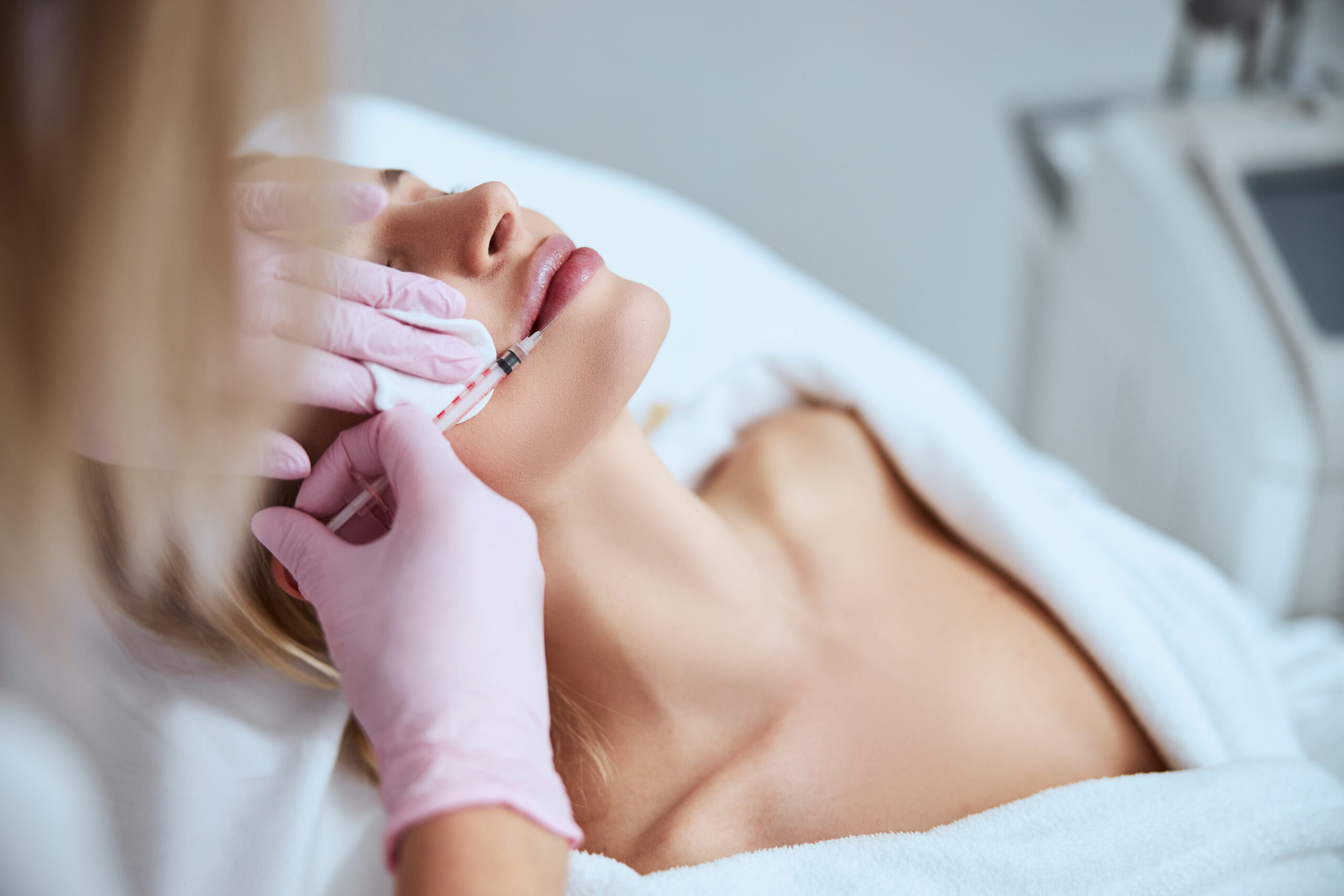
Polynucleotides are naturally derived molecules made from purified DNA fragments. In skin aesthetics, they’re used as injectable biostimulators that encourage your skin to repair itself. Unlike traditional fillers that simply add volume, polynucleotides work deeper—stimulating tissue regeneration, reducing inflammation, and improving hydration.
Key Benefits for Acne Scarring
- Skin Tissue Regeneration
Polynucleotides stimulate fibroblasts—the cells responsible for producing collagen and elastin. This helps remodel damaged skin and improve the appearance of both atrophic (indented) and post-inflammatory acne scars over time. - Improved Skin Texture
By promoting healthy cell turnover and hydration, polynucleotides refine skin texture, smoothing out irregularities caused by scarring without adding volume. - Non-Comedogenic and Safe for Acne-Prone Skin
Unlike heavy creams or certain laser treatments, polynucleotides do not clog pores or cause irritation, making them ideal for patients with acne-prone skin.
Key Benefits for Rosacea
- Anti-Inflammatory Action
Rosacea is often worsened by chronic inflammation. Polynucleotides reduce oxidative stress and calm the skin, helping manage redness and sensitivity. - Strengthens Skin Barrier
They support the skin’s natural defence mechanisms, reducing transepidermal water loss (TEWL) and improving resilience against triggers like pollution or temperature shifts. - Suitable for Sensitive Skin
Because polynucleotides are biocompatible, they’re gentle enough for skin types that react poorly to conventional rosacea treatments like topical steroids or acids.
Frequently Asked Questions
Q. How are polynucleotide treatments different from fillers?
Polynucleotides don’t add volume. Instead, they stimulate your skin to repair itself, making them ideal for scarring, texture irregularities, and inflammation—especially in sensitive areas.
Q. How many treatments will I need?
For acne scarring or rosacea, we typically recommend a course of 2–3 treatments, spaced 2–4 weeks apart. Maintenance may be advised every 6–12 months depending on skin goals.
Q. Is it painful?
Minimal discomfort is expected. A fine needle is used, and topical numbing cream is applied beforehand. Most patients describe it as tolerable and quick.
Q. Can I combine this with other treatments?
Yes, polynucleotides can complement treatments like microneedling or skin boosters for enhanced results. Your bespoke plan will be tailored during skin consultation.
How Dr Azadeh Clinic Can Help Rosacea and Acne Scar Treatment in Marylebone
At our aesthetics clinic on Harley Street, we specialise in non-surgical facial aesthetics that put skin health first. As a GMC-registered GP and medical aesthetician, Dr Azadeh combines medical training with aesthetic expertise to ensure treatments are safe, effective, and tailored to your skin’s needs.
We use only CE-certified polynucleotide products (such as Plinest HPT) and offer in-depth skin consultations before treatment begins.
Interested in how polynucleotides could work for your skin?
Clearer, Calmer Skin Starts Here: Book Your Consultation for Polynucleotides on Harley Street
If acne scarring or rosacea is affecting your confidence, you don’t have to settle. Polynucleotide treatments offer a regenerative, gentle solution that works with your skin—not against it.
Book your consultation with Dr Azadeh and start your journey to healthier skin today.